Melbourne Sports Photographer: From Grassroots to Grand Finals
If you spend enough time trackside, court-side, or perched behind the baseline at a Melbourne club match, you start to understand a quiet truth about sports photography: the big moments don’t arrive out of nowhere. They’re built from a thousand ordinary weeks, the ones where the camera feels too heavy, the weather changes mid-play, and you’re still learning how to read movement before it happens.
That’s where Melbourne sports photography lives for me. Not in the highlight reel. In the in-between. In the way a kid’s first tackle changes the pace of a game, the way a coach’s expression shifts when the ball keeps finding the same wing, the way a stadium turns from background noise into a single, focused roar.
This is the story of going from those early assignments to shooting grand finals, and the craft along the way. I’ll talk about what actually matters, what gets overlooked, and how Melbourne sports photographer work changes when the stakes rise.
Start where the grass is real
My earliest matches were the kind you can drive to without planning your whole day around traffic. Local leagues, school sport, junior competitions, community tournaments. The teams weren’t famous. The venues were sometimes more practical than pretty. But the games had something better than spectacle.
They had intensity.
In grassroots football and netball, the action is fast enough to test your timing but not always so chaotic that every frame becomes a blur. You learn faster because you can see your mistakes right away. If you’re too slow, you’ll miss the moment the ball leaves the foot. If your focus habits are off, you’ll get sharp backgrounds and soft players. If you shoot too wide, you won’t capture emotion. If you crop too late, the image never recovers.
I remember one Saturday morning shoot at a suburban oval. It was the kind of cold that makes your fingers feel borrowed, not yours. During warm-up, one player was practicing a sideline kick, over and over, until they finally got the spin they wanted. I photographed it, thought it looked fine, and went home satisfied.
At the next match, the same player nailed that kick in the middle of a real contest, under pressure, with defenders closing. The difference between the two shots taught me a lesson I’ve carried ever since. Practice photos are about form. Match photos are about decisions. Great images come from anticipating what the athlete is about to commit to.
That’s what you build at the grassroots level: the ability to predict the moment, not just capture it.
Learning to read the sport, not just the frame
People often think sports photography is mostly technical. The truth is more balanced. The best Melbourne sports photography work looks effortless because the photographer has spent time understanding the sport’s rhythm.
Australian rules football has a tempo shaped by contests and space. Netball has timing shaped by footwork rules and passing lanes. Soccer often rewards small changes in body angle, the hips turning before the pass is released. Tennis exposes everything, because one step too late changes the quality of the moment, and wind can decide whether the ball is sharp or smeared.
When I started, I chased the loudest part of the play. A big collision, a scream, a goal celebration. Those moments are powerful, but they also tend to happen for a fraction of a second, and you might only get one clean frame if you’re lucky.
Over time, I began to photograph the lead-up. The gather before a strike. The glance before a kick. The shoulder drop right before a sprint. The way a goalkeeper’s stance communicates the next move. Those details make images feel lived-in, not just recorded.
This shift is a big reason why the jump from casual shooter to professional sports photographer Melbourne clients trust is usually invisible from the outside. The camera gear matters, but the real difference is judgment.
The realities of shooting in Melbourne weather
Melbourne is generous with seasons. It gives you sharp winter light, then a sudden drizzle that turns a match into a study of droplets on lenses. It can be 20 degrees early and feel like a different planet before the second half.
My approach is simple: plan for the conditions you’ll actually face, not the weather forecast you hoped for.
I’ve shot under full sun where half the ground looks like it’s glowing and the other half looks washed out because of stadium angles. I’ve shot in rain where you can’t rely on autofocus to behave the same way across wet fabric. And I’ve shot inside venues where overhead lighting makes skin tones go cool and fast-moving jerseys can strobe with motion blur.
The practical part of sports photography Melbourne work is preparing for these variables without turning every match into a stress test. That means thinking about lens choices, shutter speed targets, and how you’ll protect equipment without missing frames.
In my bag, weather protection isn’t optional. It’s part of the job, like knowing where the sideline barrier starts and ends. If you keep your hands free to shoot, you shoot better. If you spend the game worrying about your gear, you’ll miss the moment your athlete makes the decision that changes the scoreboard.
Building consistency with disciplined camera habits
A lot of photographers can take great pictures on a good day. The hard part is doing it when the conditions are worse, when your energy dips, or when the game speeds up.
My consistency comes from repeating habits until they’re automatic.
I keep a tight focus on three things: exposure control, autofocus reliability, and framing discipline. Exposure matters because sports lighting changes every few minutes. A shaded stand can make a jersey go grey. A bright patch can blow highlights on skin. If you underexpose, you’ll struggle with noise when you lift shadows later. If you overexpose, you lose texture on faces and jerseys.
Autofocus matters because sports movement isn’t just fast, it’s unpredictable. Players feint. They twist. They disappear behind bodies, then re-emerge at weird angles. I rely on tracking modes, but I also check that the camera is giving me the kind of focus behavior I trust. The settings you like on a tripod at home won’t always hold up under the chaos of a live match.
Framing discipline is what separates “nice action” from “a photographer’s image.” Even when you can technically catch the moment, you still have to choose what’s in the frame. A clean background helps. A busy background can work if it supports the story. The key is intention.
I’ve seen shooters take sharp images that feel flat because every frame is the same distance, the same angle, the same headroom. At the grassroots level you can get away with that sometimes. In finals, you get judged on how your images feel, not just whether they are technically correct.
When assignments grow, so do the stakes
Shooting bigger events changes everything. Not the love of sport, the logistics and the pace.
At local grounds, you can often reposition between plays, walk closer, and negotiate where you’re allowed to stand. At higher-level games, access narrows. Media crews take priority zones. Security staff guide movement. You might have a pool of allowed vantage points, and if you step outside them you risk losing your spot for the rest of the match.
There’s also the pressure of expectation. The photographer Melbourne teams invite for a finals series isn’t just there to produce images. They’re there to deliver a collection that captures intensity, character, and the moment the season becomes something more permanent.
In my experience, that’s where the difference between hobby shooting and professional sports photographer Melbourne work shows up. You start planning deliverables, not just frames. You consider how the gallery will be read by players and families. You think about the images that will end up printed, framed, shared, and remembered.
And you make choices that preserve quality. If the light is fading, you adjust. If the field markings are distracting, you shift your angle rather than forcing a composition. If the stadium is too bright and contrast is harsh, you protect skin tones and accept that some backgrounds will blow. The goal is to keep faces readable and emotions clear.
A quick look at the gear that actually earns its place
Gear is personal, but at a practical level, you want tools that keep you responsive. You also want tools that you’ll use consistently, because the best sports camera is the one you have with you, ready, and comfortable enough that you don’t hesitate at the wrong moment.
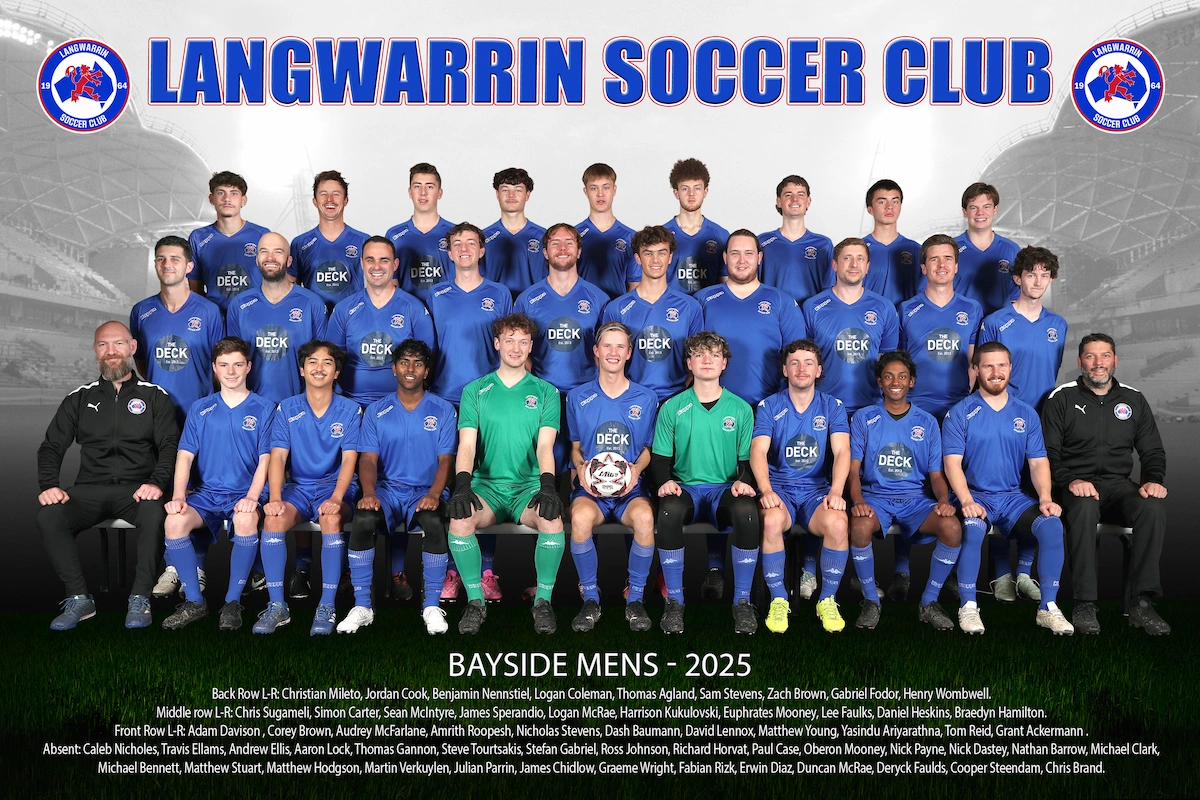
Here’s what I tend to rely on for Melbourne sports photography assignments, especially when I’m balancing outdoor events, indoor venues, and fast movement.
- A fast autofocus body and lenses that lock on reliably in low light
- A shutter speed plan (and the discipline to stick to it) rather than chasing “perfect” settings mid-play
- Lens options that cover wide to tight framing, because storytelling needs variation
- Weather protection that doesn’t slow you down when the weather flips
- A workflow buffer for downloading and backup so finals day doesn’t turn into a panic
It’s not about owning the most expensive kit. It’s about trusting it under real stress, the kind you feel when you realize you might only get a few seconds to nail the decisive moment.
The unglamorous work: data, delivery, and trust
Finals aren’t just about the photo. They’re about what happens after the whistle.
If you’ve ever tried to deliver hundreds of images quickly, you know the bottleneck isn’t the editing software, it’s the choices and the consistency. Players don’t want ten near-duplicates. Parents want clear faces. Coaches want expressions and game context. Clubs want their season story captured in a way that feels coherent.
So you build a workflow that reduces decision fatigue. You keep your edits consistent, and you resist the temptation to tinker so long that your deliverables slip.
This is also where working with brands and galleries becomes serious. If you’re producing for teams across Melbourne, you’re not only managing your time. You’re managing expectations. You learn to communicate clearly, including what you can deliver, what you’ll need from organizers, and what you need to access venues in the first place.
That’s part of how photographers like Pure Sport Images have earned space in the Melbourne sporting community. They understand that clubs don’t just buy images, they buy reliability. The sport is already stressful. The photographer’s job is to keep the process smooth.
A mindset shift for grand finals: you photograph the atmosphere
The difference between a semi-final and a grand final isn’t just the quality of the teams. It’s the atmosphere, and it changes how you should shoot.
In a final, emotions run hotter. People move differently. Players may look braver, but they also carry tension. Coaches stand more deliberately, as if they can control the match through body language alone. The crowd noise affects timing. Even your own breathing can become part of the rhythm.
At the same time, the camera still needs discipline. The grand final moment is often decided by small actions. A half-second delay. A rushed pass. A defensive read that looks obvious only in hindsight.
I still photograph celebrations, but I also watch for the quiet seconds: the look after a turnover, the hand on a teammate’s shoulder, the moment a player realizes they are about to line up for a decisive play. Those are the images that feel human when you look at them later.
I’ve shot finals where the most shared photograph wasn’t the loudest one. It was a tight portrait of a player’s face after a tough phase, jaw set, eyes focused, a hint of relief when the pressure eased. When you capture that properly, it becomes more than documentation. It becomes memory.
How you approach sport you’re less familiar with
Not every sport comes with the same intuition when you first start.
If you’re moving through multiple leagues, you may cover sports you didn’t grow up playing. You might shoot basketball even if your background is football. You might photograph swimming meets even if you’re stronger with field action.
That’s where preparation matters. I don’t wait until game day to learn. I watch footage where rules are clear and angles are visible. I learn the common patterns of play, because movement tells you what a sport values. Some sports reward speed. Others reward positioning. Others reward technique and timing.
The advantage for a Melbourne sports photographer is the local consistency of competition. Many clubs run on similar structures across seasons. You can track how teams develop habits. You start to predict where the ball will go, and you position accordingly.
The goal isn’t to pretend you know everything. It’s to develop enough understanding to make smart choices fast.
The sideline skills most people miss
Photographing sport isn’t just about lens and shutter. It’s also about managing space, cooperating with officials, and understanding what you can and can’t do during play.
If you’re too aggressive with movement, you risk obstructing players or crossing boundaries. If you’re too passive, you won’t get angles that show the story. You learn to read the space the way players do.
There’s also an etiquette side. I’ve found that teams remember photographers who treat them professionally even when the match is chaotic. You don’t distract players. You don’t block access to medical staff. You ask questions early. You stay calm when someone insists you stand somewhere that would be unsafe or impossible.
These details might sound minor, but in a finals environment, they become the difference between being invited back and being asked to step aside.
A practical plan for match day (that doesn’t collapse under pressure)
On match day, I work from a simple discipline: arrive early enough to settle, set your base settings, then adapt only when necessary. Adaptation is where most people spiral, because they change too many things at once.
I aim to stay in control of the essentials, then make small adjustments as the game reveals its lighting and pace.
Here’s the approach I use when I want to avoid last-minute chaos without spending the whole day overthinking:
- Do a lens and camera check before the warm-up starts, including autofocus behavior and protection for weather
- Choose your main framing strategy, then refine it after you see the first burst of play
- Confirm any access rules for media positions, and know where you can move safely
- Keep your editing workflow ready mentally, so you don’t “save decisions” until after the match
- Communicate early if delivery timelines or venue logistics might affect output
It’s not glamorous. It’s what lets you stay sharp when the match turns.
The trade-offs: what to sacrifice to keep the story intact
Every sports photographer eventually faces trade-offs. You can’t maximize everything at once.
Sometimes you sacrifice perfect light for the moment’s emotional clarity. Sometimes you crop tighter because the background distraction is too strong. Sometimes you accept that you won’t get every action sequence in a particular phase, because you decide the next play matters more for the narrative.
These choices become more important in the final minutes of close games, when you can feel your attention narrowing. In those moments, it’s easy to chase the obvious shot. The better approach is to recognize what the shot will mean after the match ends.
A win photo is one kind of image. A determination photo is another. A teammate’s reaction photo can tell the story just as well, sometimes better, because it shows stakes and togetherness.
The best professional sports photographer Melbourne audiences appreciate is the one who knows when to stop hunting for “the perfect action” and start capturing meaning.
Turning photos into a body of work
If you want a career rather than a one-off weekend, you need more than good frames. You need variety and consistency.
Across a season, I aim to collect images that represent different layers of the event. Wide establishing shots show atmosphere. Medium frames show movement and team shape. Tight portraits show personality and pressure. Details like boots on wet turf, hands clapping, or a coach’s gesture can act like punctuation in the gallery.
This is also why Melbourne sports photography galleries tend to work best when they feel curated. A club doesn’t just want a dump of images. They want a story.
That story becomes even more compelling when you build relationships with teams. When players recognize your presence, they loosen up. They trust that you’ll be there for the moments that matter. That trust shows in faces and body language, which makes your job easier and your images stronger.
Working with clubs and brands: professionalism over theatrics
Professionalism doesn’t mean stiff. It means predictable, respectful, and clear.
When you work with clubs, you learn that not everyone understands photography timelines. Some people think “shoot means done.” Others assume you can deliver instantly.
You handle that by setting expectations early. You explain what you can deliver, and when. You make sure your process is reliable enough that teams plan around it without stress.
When you work with organizations or photography partners, the collaboration needs to feel steady. The photographer Melbourne community often values consistency across events, because families and clubs want continuity. That’s where partnerships with entities like Pure Sport Images can help, especially when the workload spans multiple venues and competitions.
Even if you work independently, your brand is your reliability. The sport will always be unpredictable. Your job is to keep the photography side stable.
The day after a final: what stays with you
The obvious answer is the winning moment. The trophy. The huddle. The celebrations that look like relief.
But what stays with me are the other frames. The one where a player walks off after a tough phase, shoulders tight, eyes trying not to water. The one where a teammate catches someone’s gaze and silently acknowledges effort. The one where a coach’s expression tells the story, even before the words are spoken.
Sports photography is powerful because it captures human change in real time. Athletes don’t just play. They react, they adapt, they suffer and recover, they decide. In a grand final, you can see those decisions ripple through every second.
And if you’ve built your skill from grassroots matches, you can recognize the continuity. The final isn’t a separate world. It’s the culmination of habits. The same intensity that makes a junior player chase a loose ball with everything they have also shows up when the lights are brighter and the crowd is louder.
You learn to photograph that continuity.
What it means to be a Melbourne sports photographer
The phrase Melbourne sports photographer gets used a lot, but it can website mean different things depending on who’s speaking. For me, it means you understand local sport as a culture, not just an assignment.
It means you can walk into a new venue and figure out where the best angles will be. It means you respect the pace of the sport and the needs of the athletes. It means you can handle weather swings, lighting changes, and crowd pressure without turning the camera into a frantic instrument.
Most of all, it means you treat every match like it matters, because it does. The grassroots club photo is how players remember their early confidence. The grand final photo is how they remember what it felt like to earn something hard.
If you’re aiming to move from the sidelines to the big stages, focus on the craft that makes sense in every game. Read the sport. Shoot with discipline. Protect your workflow. Build trust with teams. Do the work long enough and the grand finals stop feeling like a sudden leap. They start feeling like what you’ve been practicing for all along, one match at a time.
Pure Sport Images
23 Grandview Ave, Mulgrave VIC 3170, Australia
+61 413 157 614
[email protected]
Website: https://puresportimages.com.au/